
The End of Street Football and the Fate of the Selection1 (the National Team)
There were fields in profusion.
If one stood on high ground, they called it Parque Antártica;2
if beside it there was a flooded patch, or a water pipe forever broken, it was Beira-Rio;
if it lay near a wealthy neighborhood, Morumbi;
if in some tree nearby there was a parrot’s nest, Maracanã.
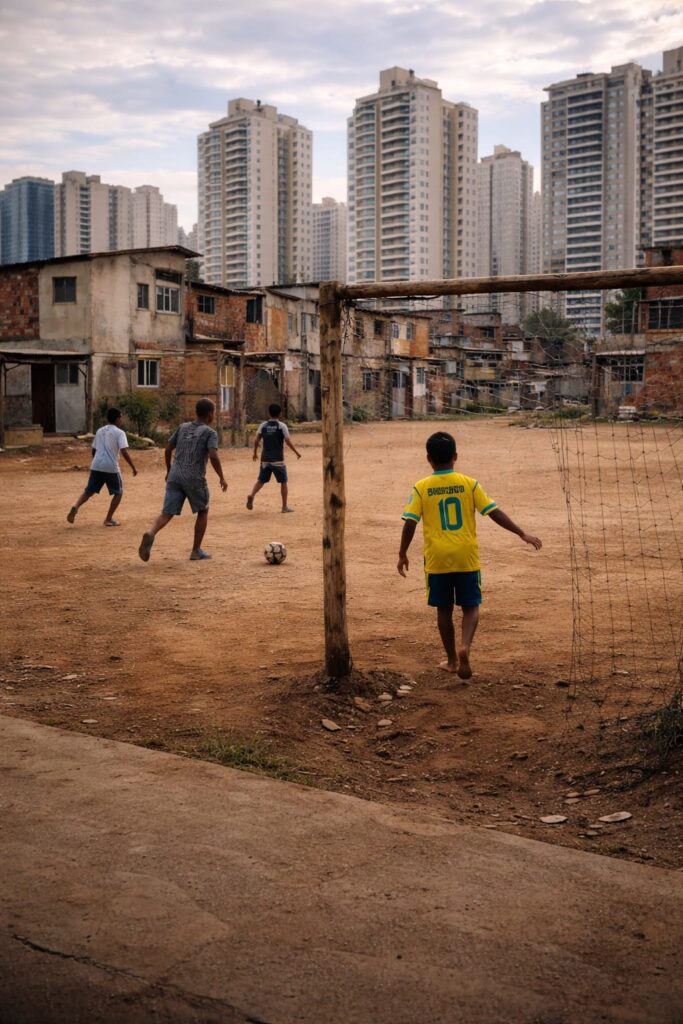
The boys spent the whole day there.
Nothing was measured, nothing was calculated.
The dribble came by itself.
Football geniuses sprang up in abundance.
Many played in the No. 6 shirt, but when they went to Europe, they wore the No. 10.3
There were many teams to cheer for, too.
And when it came to forming the National Team, there was plenty in every position.
But time changes everything.
— Get out of there, kids. Empty land makes no profit.
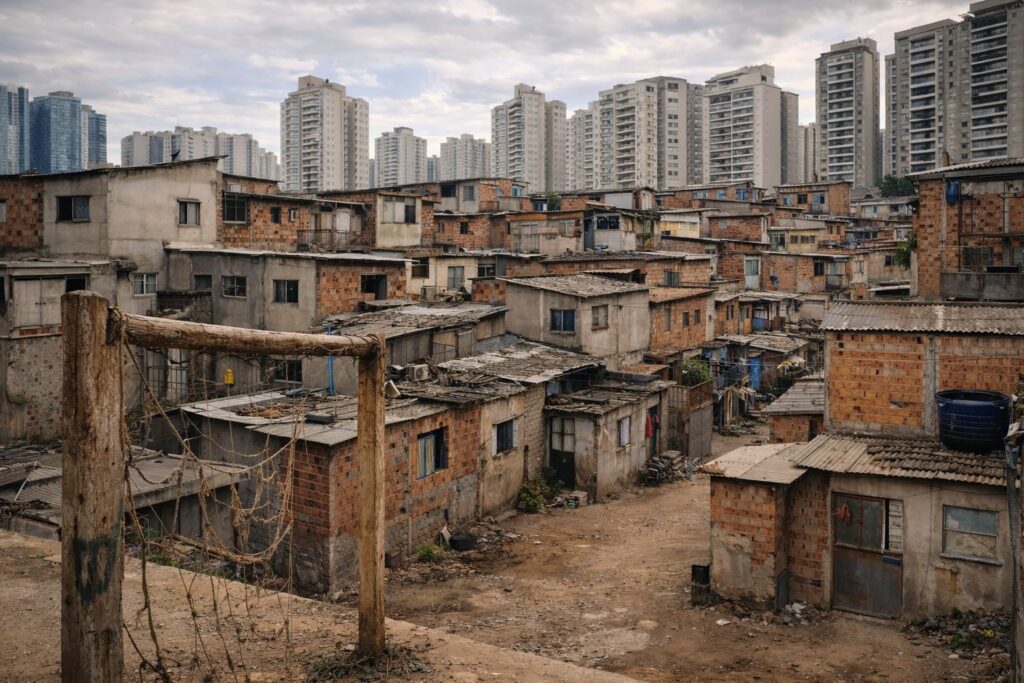
Progress took over every space.
No space was left for the kids.
Without fields and without streets, childhood changed toys.
They stopped playing with their feet; now they play only with their hands.
At home, alone, the danger of play is virtual.
In the street, the danger is real — and the hands hold another kind of toy.
Teams changed too.
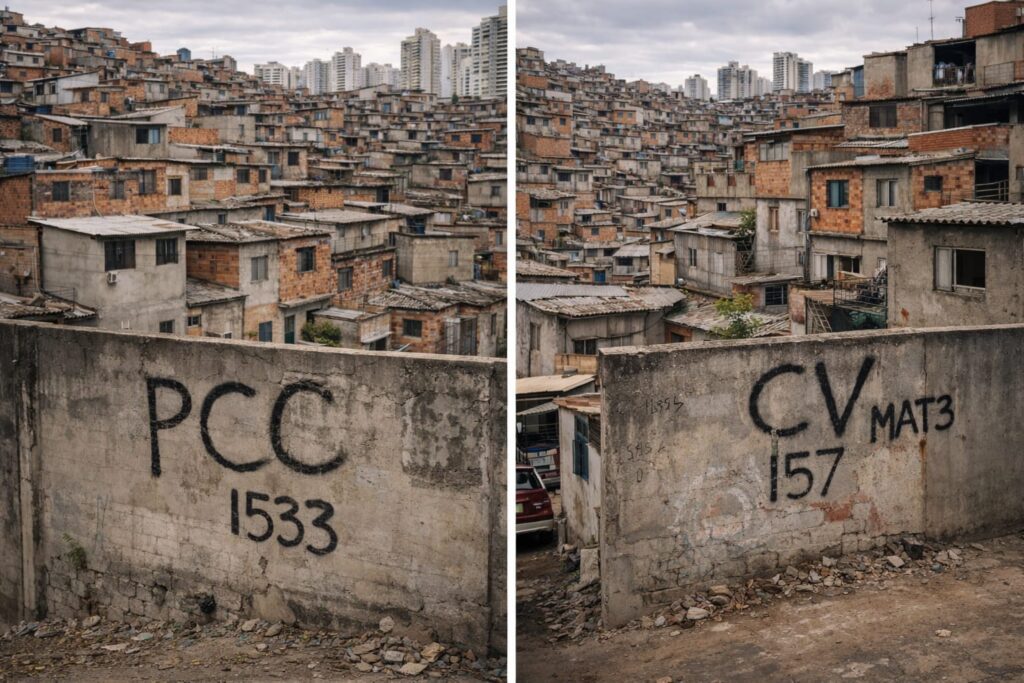
Now, in almost every neighborhood, there are only two.
And if the neighborhood has no high-rises and fine shops, only one remains:
the official team.4
To cheer for the other side is to risk never cheering again.
Playing with their feet?
Only in football academies.
But they are far away.
And there, play still pays nothing.
Today, most prefer play that pays.
Still, a few persist and go to the academies.
Perhaps they are echoes of the past, still resisting.
But there everything is measured, everything is calculated.5
Once, the dribble was beautiful; it commanded respect.
Now it is ugly; the coaches punish it:
— Enough with the showboating, kid. Pass the ball or come off.
Perhaps that is why they no longer play the way they used to.
Before, each one played differently.
Now they all play more or less alike.
Many still go to Europe to play with their feet.
But there, too, the game has changed.
There they wear the No. 6 shirt.
And when they grow tired of playing — or when others grow tired of their play — they return to Brazil, where the game is easier now, and only then do they wear the No. 10.
What changed most was the National Team.
Before, no one knew who to take, because there was so much abundance.
Now no one knows who to choose, because there is so much scarcity.
The National Team is no longer made of geniuses.
It is only the reflection of what remains of our play.
Porto Velho, May 18, 2026.
Libersum
Also read the author’s short story Amerindia, the Singular – an allegory about dehumanization.
- In Brazil, A Seleção usually means the Brazilian national football team. In this story, however, the word also keeps its literal meaning: a selection, a filtering, what remains after childhood, public space, street football, and spontaneous play have been reduced. ↩︎
- Parque Antártica, Beira-Rio, Morumbi, and Maracanã are names of famous Brazilian stadiums. In the story, children give these grand names to poor, improvised fields, transforming empty lots into mythical places through imagination alone. ↩︎
- The No. 10 shirt traditionally evokes the creative genius of Brazilian football — Pelé, the playmaker, the artist. The No. 6 shirt, by contrast, suggests a more defensive or functional role. The reversal between the two numbers is part of the story’s irony. ↩︎
- The expression “the official team” alludes to territories controlled by criminal factions such as PCC (Primeiro Comando da Capital) and CV (Comando Vermelho). In such places, allegiance is not a game: being identified with a rival group, or entering a neighborhood controlled by another faction, may involve real risk of death. The football vocabulary in the story is therefore deliberately displaced into the language of territorial domination. ↩︎
- For readers interested in the decline of spontaneous childhood football, Viv Groskop’s article in The Guardian discusses the end of “jumpers for goalposts” and the rise of organized, coached football among children in the UK. ↩︎
For readers interested in the disappearance of informal football fields in Brazilian cities, this article from Revista Pesquisa FAPESP discusses how urban growth, real-estate speculation, and the lack of open spaces are redefining amateur soccer in Brazil.